
Alien Blaster sets out fast round timing in a way that supports players before any commitment. Through DDDJILI, the explanation keeps attention on practical context, clearer expectations, and a smoother path into the next stage, so the first decision feels clearer, calmer, and more controlled.
Alien Blaster gameplay basics and key highlights
This title mixes space visuals, rapid shots, and target-based rewards into a format that feels easy to follow. New players usually understand the screen quickly because symbols, meters, and buttons stay visible throughout each round.
How Alien Blaster sets the pace from the start
The opening screen usually shows your balance, fire options, target paths, and current multiplier information. You can review control buttons first, then watch how enemy waves move across the screen before firing. This structure helps players react faster because the play area remains focused and uncluttered.
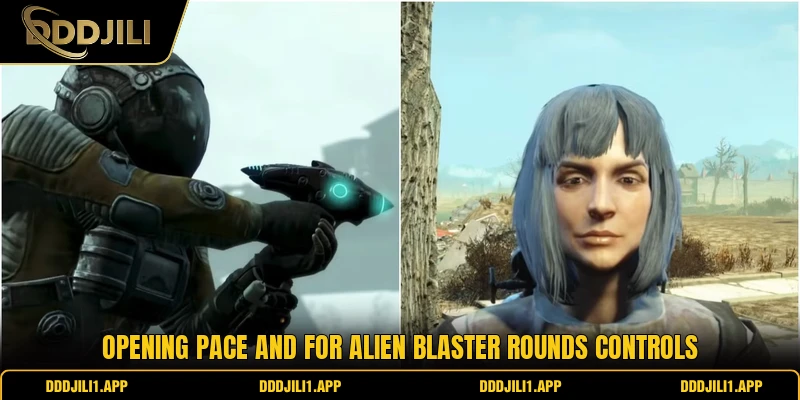
Main screen elements and shooting flow
Most rounds in Alien Blaster begin with visible alien targets entering from several directions at different speeds. You choose a shot value, track target movement, and fire when timing feels suitable for your current round plan. Reward values often differ by enemy size, movement pattern, and any special effect active during the wave.
Target types that shape each session
Some enemies move in straight lines, while others curve suddenly and force sharper timing. Larger targets often stay on screen longer, though they may require more shots before they clear. Bonus objects may also appear between waves and add variety without making the interface difficult to read.
Special effects that affect round results
Many sessions include Alien Blaster features like burst fire, lock-on effects, or temporary multipliers during active sequences. These effects can change your pace because they reward accurate timing more than random tapping. Reading visual cues early helps you decide when to increase pressure and when to hold your shots.
Why the format suits quick online sessions
The round Alien Blaster design feels direct, so players can start without reading a long instruction page first. Each action connects clearly to what appears on screen, which reduces confusion during faster moments. That simple rhythm makes the game suitable for short breaks or longer sessions with focused attention.
View more: Zombie Survival Run Builds A Smarter Path Through Online Play
Rules and round structure explained clearly
Before joining a live session, it helps to understand how the action is scored and what counts as progress. The game may look simple at first glance, yet each stage follows a clear sequence that affects returns. The next points explain firing rules, hit values, bonuses, and what to expect during active play.
Shot values, hit counts, and scoring logic
In Alien Blaster, every shot uses a chosen stake level that determines the value attached to each successful hit. Smaller enemies may clear with fewer hits, while stronger targets need repeated fire before they disappear. Your return depends on target type, shot amount, and any active feature linked to that moment.
What happens during wave changes
A wave usually ends when the current set of enemies leaves the screen or gets cleared. After that, another formation appears with different speed, spacing, or bonus objects. This pattern keeps the session varied while still following a structure players can learn over time.
Bonus targets and higher-value sequences
Some rounds in Alien Blaster introduce rare targets that pay more because they move faster or appear briefly. When these sequences start, the screen often provides a visual signal that helps players react in time. Quick recognition matters here because delayed shots can waste higher-return windows during a wave.
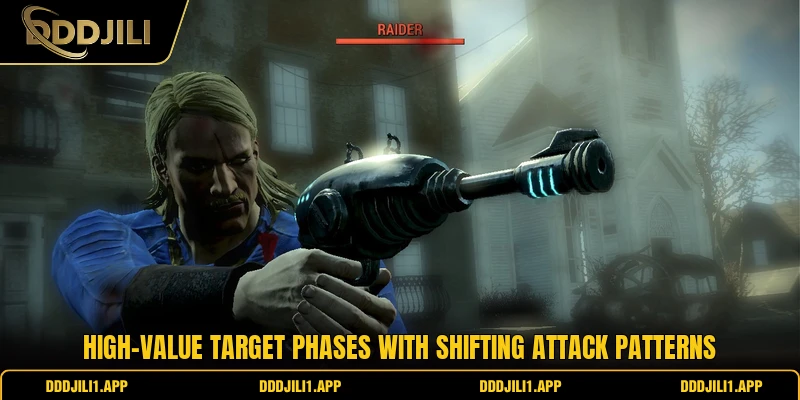
Session rhythm and payout triggers
Payouts trigger when your shots connect successfully with eligible targets still active on the field. Missed shots still count against your selected amount, so timing remains central throughout every sequence. Because of that structure, results rely heavily on reading movement rather than firing continuously without direction.
Strong reasons players choose this sci-fi shooter
This game keeps attention through clear action, readable effects, and a smooth pace that does not overload the screen. Many members return because the format rewards observation while still feeling approachable for first-time users.
- Visual clarity: Alien Blaster uses bright space graphics and distinct target outlines, so tracking movement remains manageable during busy waves.
- Straightforward controls: The firing layout feels direct, which helps players adjust quickly without searching through extra menus or hidden options.
- Varied enemy patterns: Different flight paths and target sizes keep rounds from feeling repetitive across short or extended sessions.
- Accessible learning curve: New players can understand the main loop early, then improve timing through repeated observation and practice.
- Responsive presentation: DDDJILI lists this title with stable navigation, helping members enter sessions and read game details efficiently.
- Strong replay value: The shifting wave design encourages players to stay alert because no two active sequences feel exactly alike.
Practical ways to access and enjoy each round
Starting smoothly often depends on understanding where to enter, what to check, and how to read the first screen. A few simple habits can improve your early sessions because the action becomes easier once the layout feels familiar.
Entering the game page and checking the layout
Begin by opening the game library, selecting the title, and waiting for the full interface to load. Review your balance, shot controls, and any visible help icon before the first wave starts moving. This short check reduces rushed actions and gives you a clearer idea of where key functions sit.
Reading movement before using stronger shots
Many players do better in Alien Blaster after watching one wave carefully before increasing shot values or faster fire modes. Early observation shows how enemies curve, cluster, or leave the field during each sequence. That information supports cleaner timing and fewer wasted shots during active moments.
Using feature windows with better timing
Special effects often work best when several targets appear close together on the same path. Instead of activating pressure too early, wait until the screen gives a stronger cluster or rare target signal. That approach improves the value of each action and keeps your choices tied to visible movement.
Building a smoother session from the first rounds
You do not need a complicated approach to enjoy the structure and pace of this title. Focus first on the visible pattern, then adjust your shot level once the wave behavior feels easier to predict. DDDJILI also makes it simple to revisit the title later, so members can continue refining their timing.
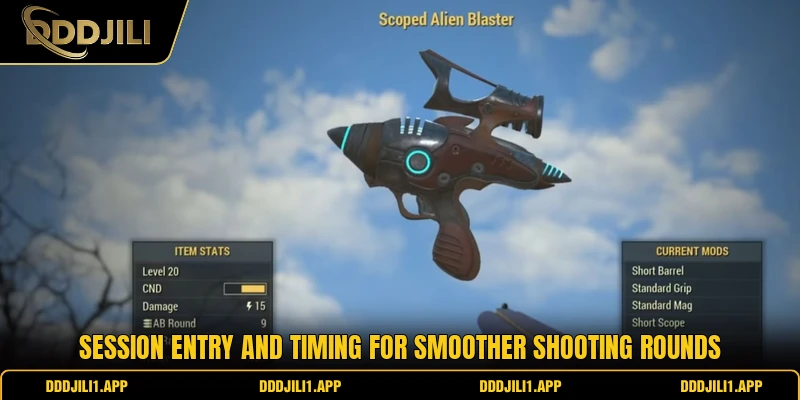
View more Category: Arcade
Conclusion
Alien Blaster should make the next move feel less uncertain and more intentional. Across DDDJILI, players can keep limits in mind, choose a comfortable pace, and enter the next session with stronger focus and good luck, while the final choice stays calm and easy to manage.